Liquidity Wars and the New Politics of Supply Chains
Digital platforms that finance invoices and pay suppliers early are quietly becoming one of the strongest levers in the global economy. As great powers harden rival blocs and the South struggles with debt and exclusion, control over these trade finance rails will shape who can industrialize, who gets cut off in a crisis, and how far sanctions, climate rules, and industrial policy can reach beyond national borders.
Trade in Financial Times and the New Fault Lines of Globalisation
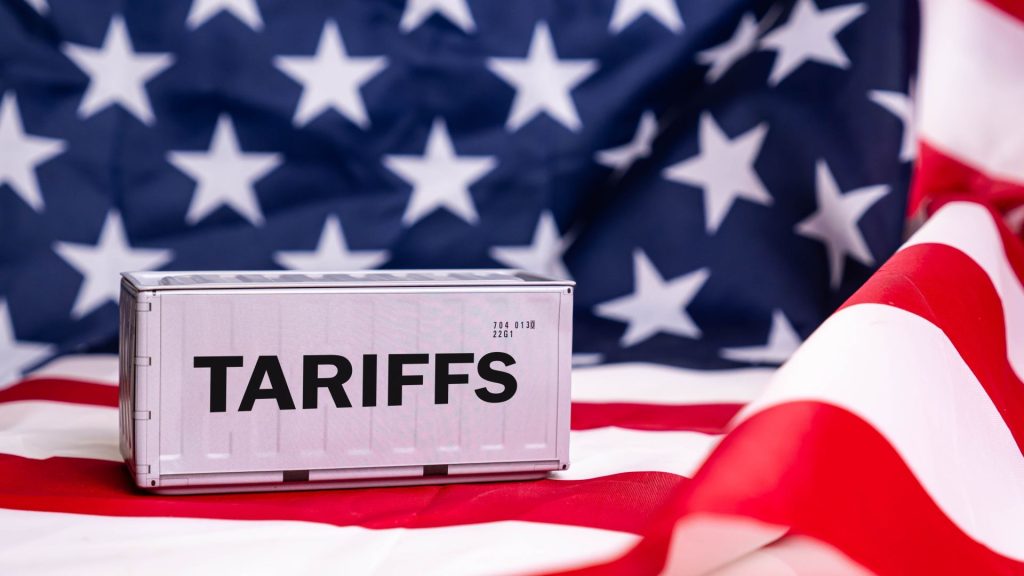
Tariffs are returning just as tighter global credit and a powerful financial cycle come to dominate world trade. The convergence of weaponised trade policy, volatile capital flows and the uneven rise of the global South is turning liquidity backstops, debt workouts and financial safety nets into front-line instruments of geopolitical competition.
The Fifth Industrial Front and the Contest for Power and Work
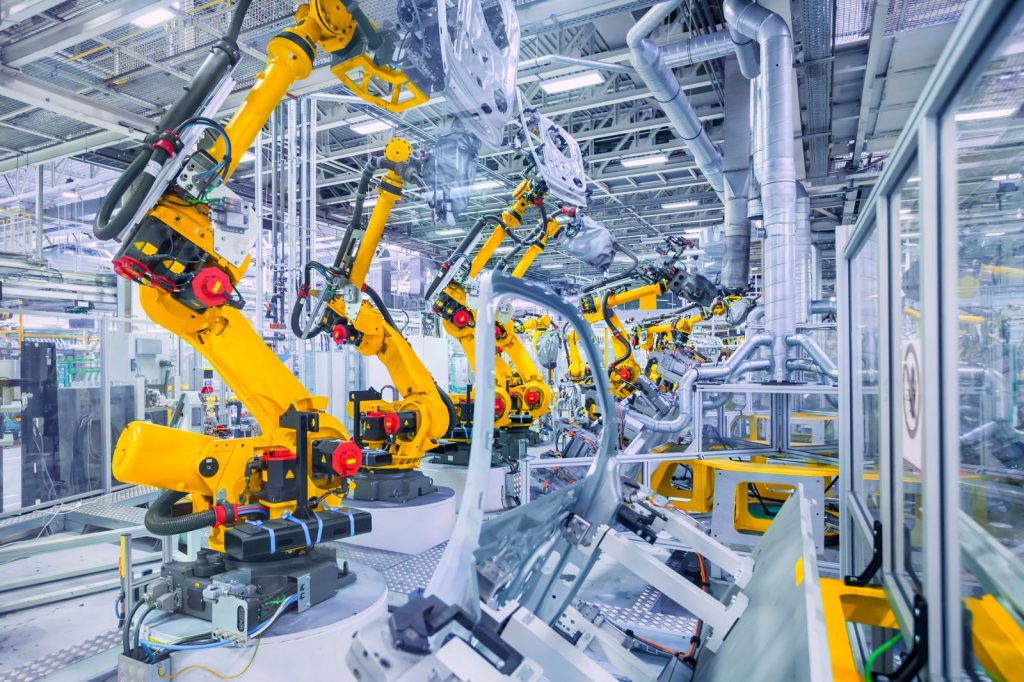
The next industrial revolution is not just about smarter factories but about geopolitics and social order. This essay argues that the shift from Industry 4.0 to Industry 5.0 is recasting industrial policy as a tool of strategic rivalry with China, climate governance, and domestic stability, as governments try to automate without hollowing out their middle classes or surrendering technological leverage.
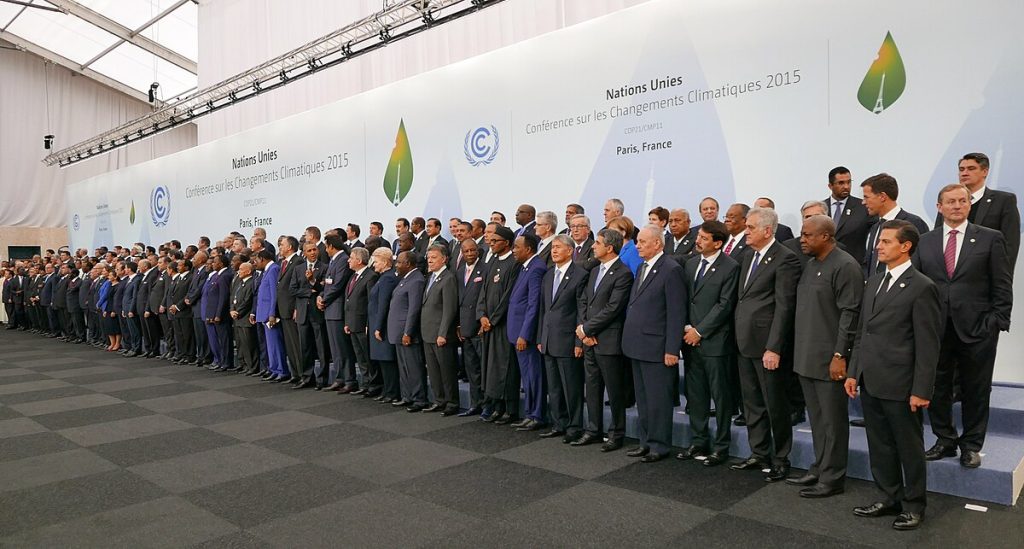
Rising temperatures are exposing not only a failure of ambition but a failure of governance. This essay argues that climate policy is a complex portfolio of interacting measures, not a single instrument, and shows how fiscal scarcity, social backlash, and great-power competition are reshaping what counts as a “credible” climate strategy for advanced economies.
From Chokepoint to Network in the Geopolitics of Rare Earths and US-China Rivalry
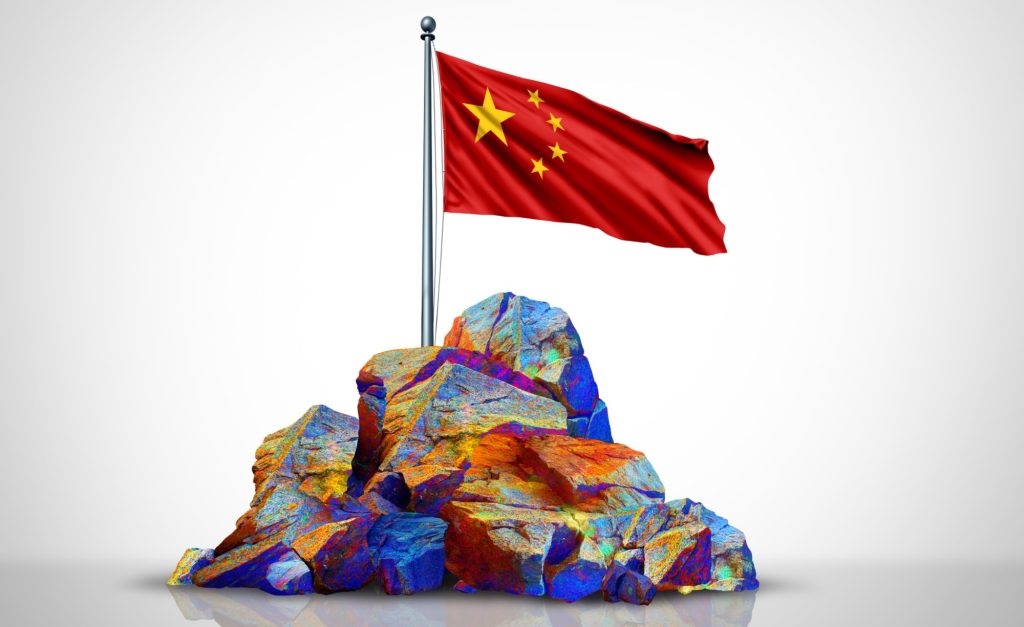
Rare earths have turned from obscure inputs into one of the sharpest tools in US-China competition. China still dominates processing and magnet production, but allied efforts in the United States, Europe and the Indo-Pacific are slowly building an alternative network of mines, refineries and recycling. This article asks whether that push can curb Beijing’s coercive leverage without triggering a wider minerals arms race.
China’s grip on rare earth processing has turned obscure minerals into one of the sharpest tools in its strategic contest with the United States and Europe. From F 35 jets to electric vehicles, Western power now runs through Chinese refineries even as both sides race to rewire supply chains. This article traces how rare earths are reshaping alliances, industrial policy, and the politics of coercion.
The Fifth Industrial Front and the Contest for Power and Work
November 25, 2025
Liquidity Wars and the New Politics of Supply Chains
Digital platforms that finance invoices and pay suppliers early are quietly becoming one of the strongest levers in the global economy. As great powers harden rival blocs and the South struggles with debt and exclusion, control over these trade finance rails will shape who can industrialize, who gets cut off in a crisis, and how far sanctions, climate rules, and industrial policy can reach beyond national borders.
From Chokepoint to Network in the Geopolitics of Rare Earths and US-China Rivalry
November 25, 2025
Explorer
China and the EU Resume High-Level Economic Dialogue Amid Trade Tensions
Beijing and Brussels have reopened high-level talks to address growing concerns over trade imbalances, technology access, and industrial subsidies, signaling a cautious attempt to stabilize economic relations.