
Hierarchy, Dependence and United States Foreign Military Sales in the Contemporary Security Order
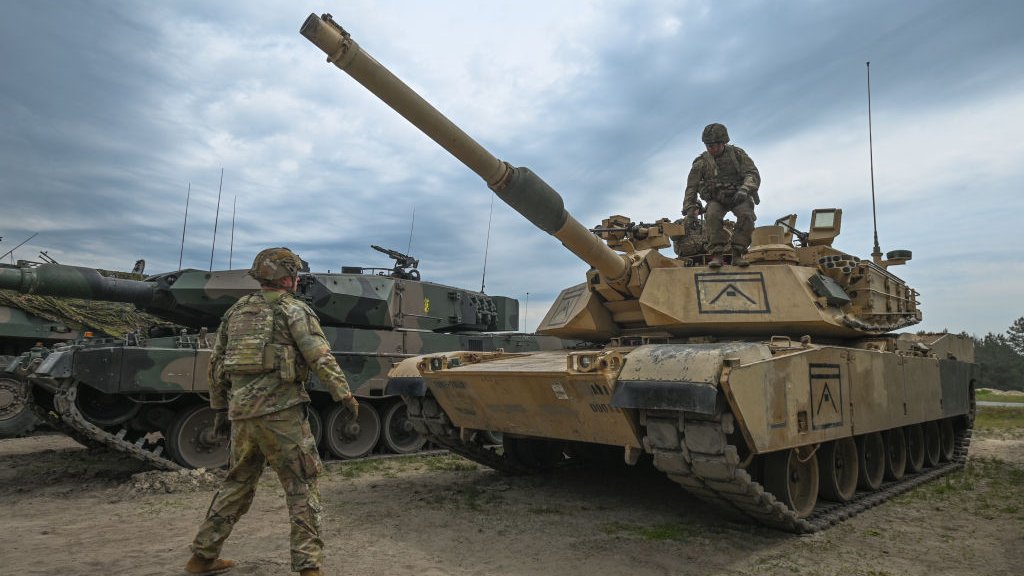
The United States now provides nearly half of global major weapons exports, and its Foreign Military Sales programme has become a central tool for organising security ties in Europe, the Middle East and the Indo Pacific. Concentrated sales of systems like F-35s, Patriot and HIMARS deepen allies’ dependence on US technology and supply chains while giving Washington leverage that can both reassure partners and expose them to US political and industrial shocks.
Trump’s Venezuela Escalation Toward Coercive Diplomacy and Regime Change
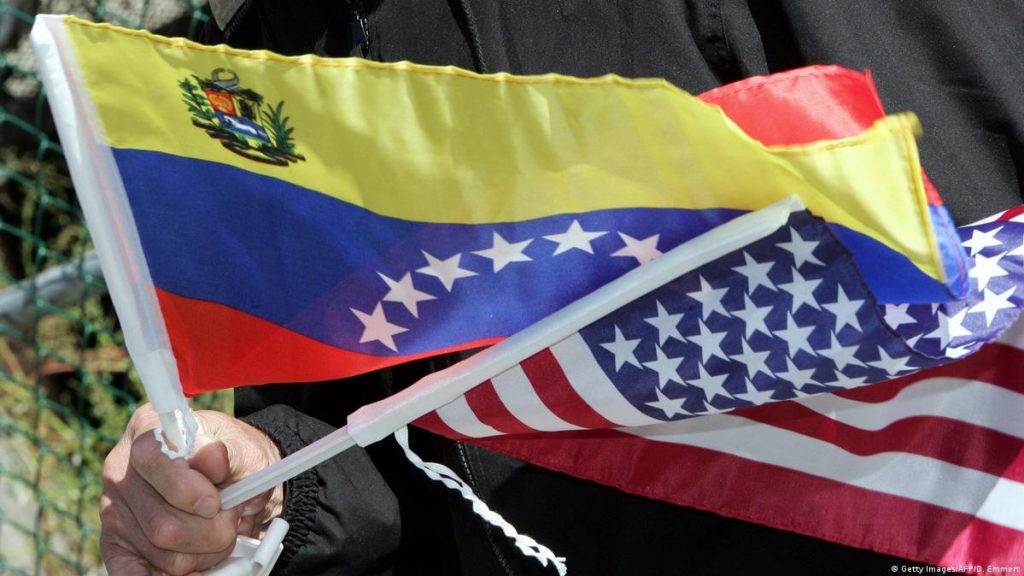
Washington has moved from sanctions to gunboat pressure on Venezuela, sending a carrier strike group to the Caribbean and branding parts of Nicolás Maduro’s inner circle a terrorist cartel. The strategy blends military signalling, terrorism designations and hard-line migration politics in a push to force change in Caracas. The open question is whether this coercive mix can produce a managed transition, or whether it drags the region toward a messy, open-ended confrontation.
Trump 2.0 and India in a Contest of Trade and Power
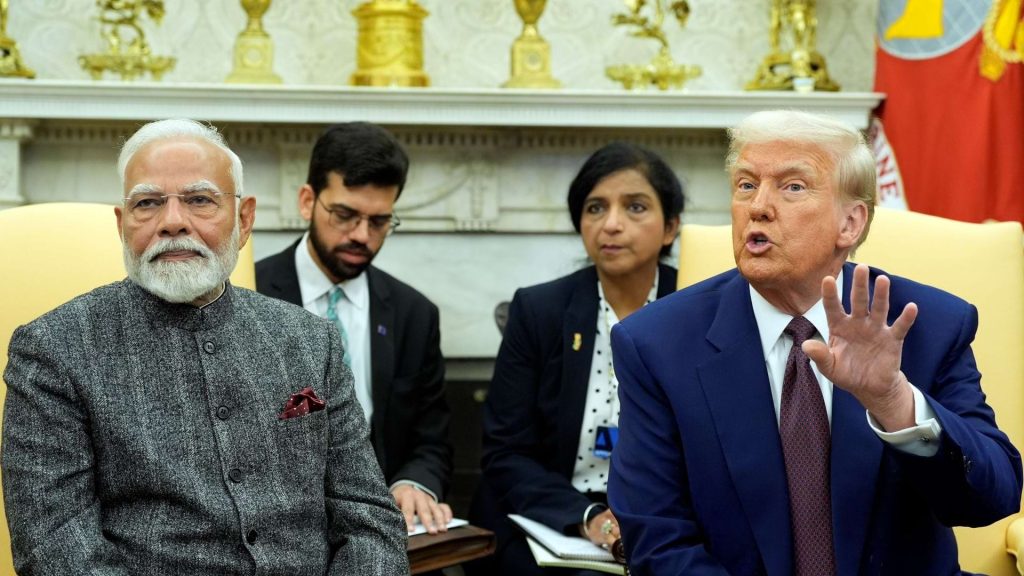
Trump’s second term has pushed US–India ties into a bruising tariff fight over Russian oil even as both capitals still see each other as vital to balancing China. A fragile thaw is emerging, but the partnership now has to survive recurring clashes between “America First” economics and India’s multi-aligned strategy.
Busan and the Bargain Politics of the US China Rivalry
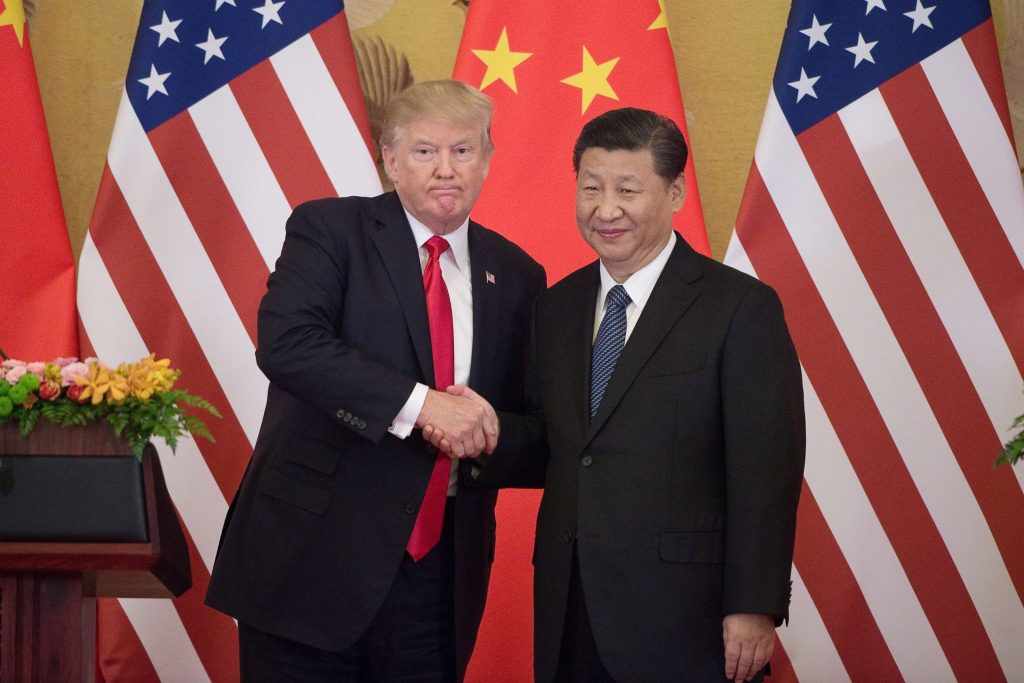
Trump’s second term has turned China policy into a rolling negotiation over tariffs, tech access and headline “wins,” with the Busan summit showcasing a highly transactional approach that sidelined long term strategy and alliance management. Beijing is trying to channel this improvisation into a framework that blunts US rivalry and locks in de facto acceptance of its regional rise, leaving partners and rivals to navigate a volatile great power bargain.
Trump, Pakistan and the Return of Transactional Bargains
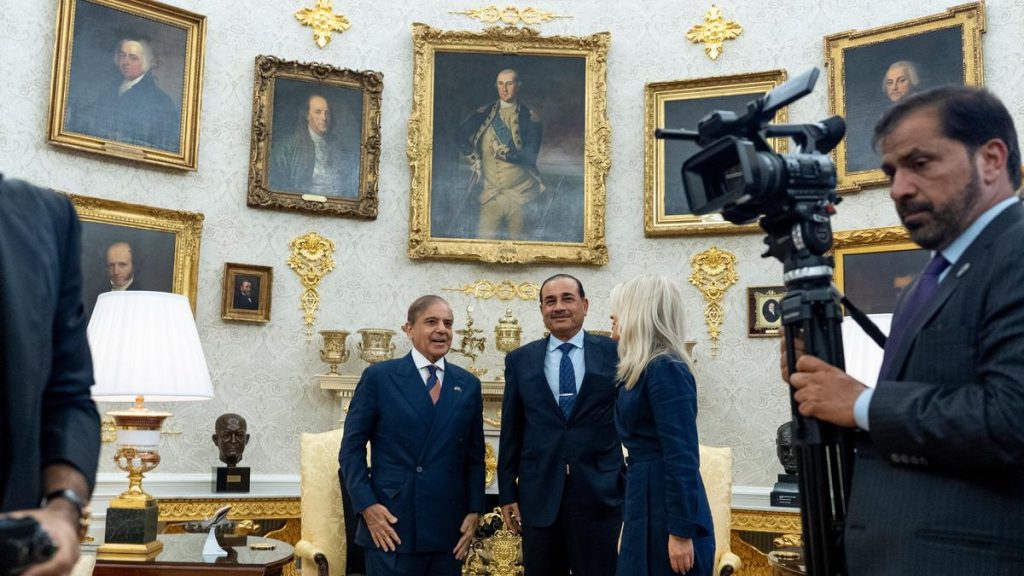
Trump’s second term has pulled Pakistan back into Washington’s game as a supplier of troops, access and political cover in Gaza and Afghanistan in exchange for money, weapons and renewed status. The bargain revives a familiar pattern of short term deals that boost the army’s clout but risk fresh backlash at home and new frictions with India, China and Iran.
Trump 2.0 and the Repricing of the US–Saudi Relationship
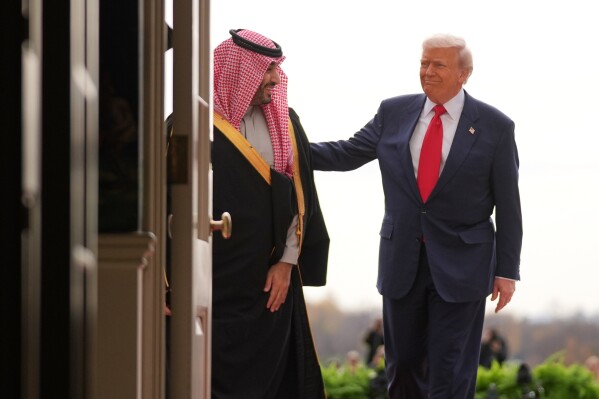
Trump’s second term has rebuilt the US–Saudi partnership into the main axis of Washington’s Gulf strategy, anchored in a new Strategic Defense Agreement, major non-NATO ally status for Riyadh and sprawling AI, energy and investment deals. The bargain gives Mohammed bin Salman deeper security guarantees and tech access while tying the United States more tightly to his domestic project and to a riskier, more interdependent regional order.
Fragile Integration in Syria’s Northeast
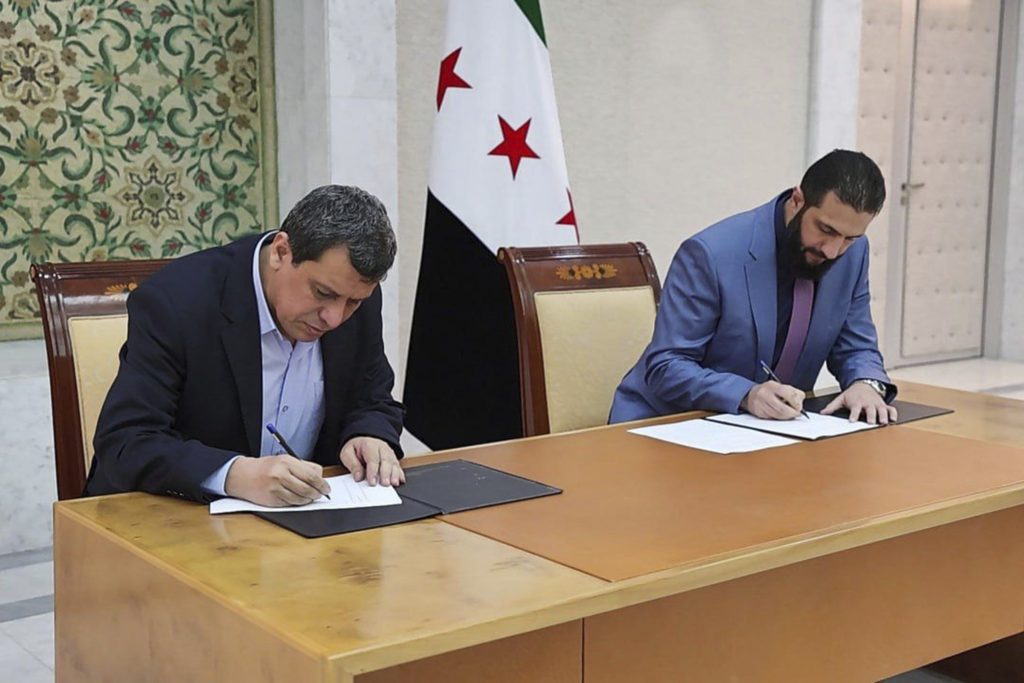
The October 2025 deal folding the SDF into Syria’s national army eases an immediate security problem for Damascus, Ankara and Washington, but leaves the political future of the northeast deliberately vague. Syria gains a pathway to a single force on paper, without yet agreeing what kind of state that force is meant to defend.
Southeast Asia’s Many Anchors in an Age of Rivalry
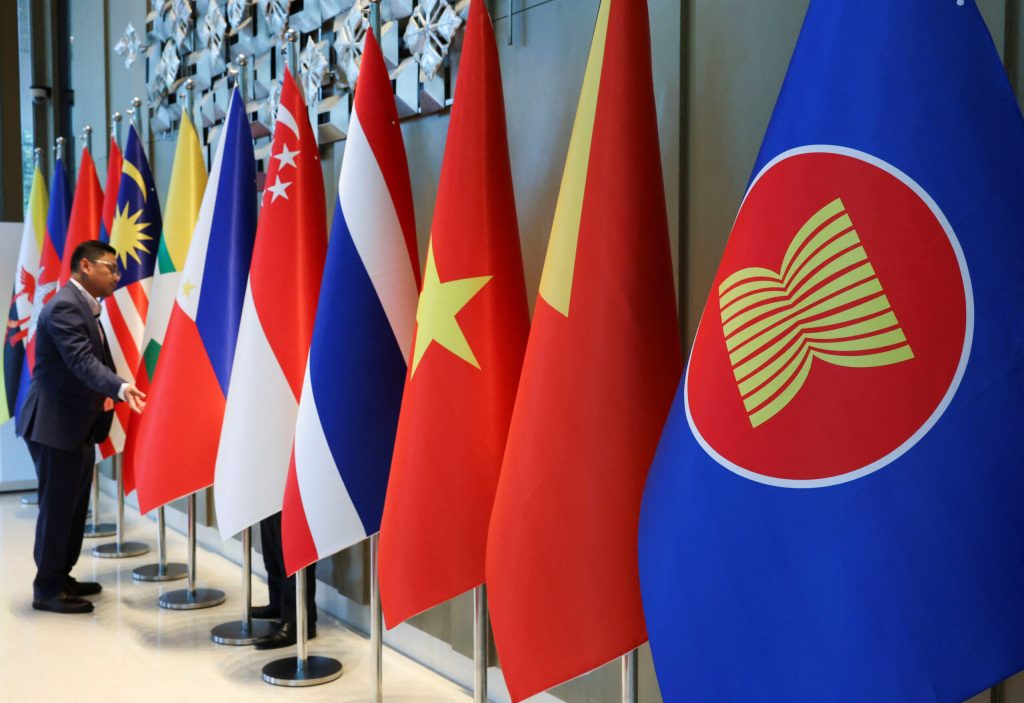
Southeast Asian states are no longer hedging between Washington and Beijing so much as stitching together layered defence partnerships with the United States, China and a growing cast of middle powers. These overlapping agreements, exercises and arms deals are already shaping how any crisis in the South China Sea, around Taiwan or in the eastern Indian Ocean would actually unfold, and will determine whether the region has leverage over major-power competition or is reduced to a set of staging grounds for others.
Navigating a New Energy Investment Landscape
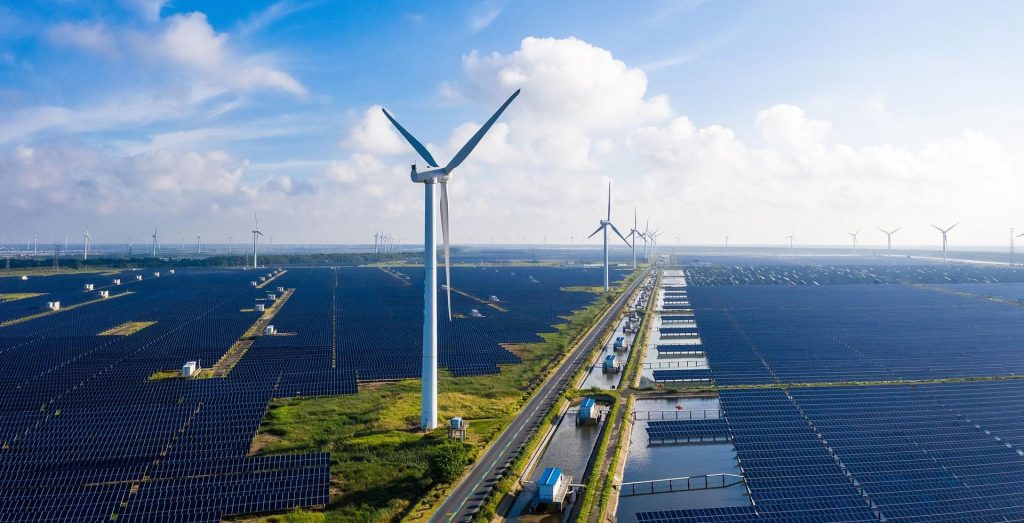
Global energy is shifting from a cheap-capital, Paris-era boom in renewables to a harder, more fragmented investment landscape where security, cost and competitiveness weigh as heavily as climate goals. Low-emission technologies are now central to power demand growth, but hydrocarbons still anchor the system, and outcomes will hinge on how states and investors manage this messy overlap.
Gaza Between International Control and Palestinian Sovereignty
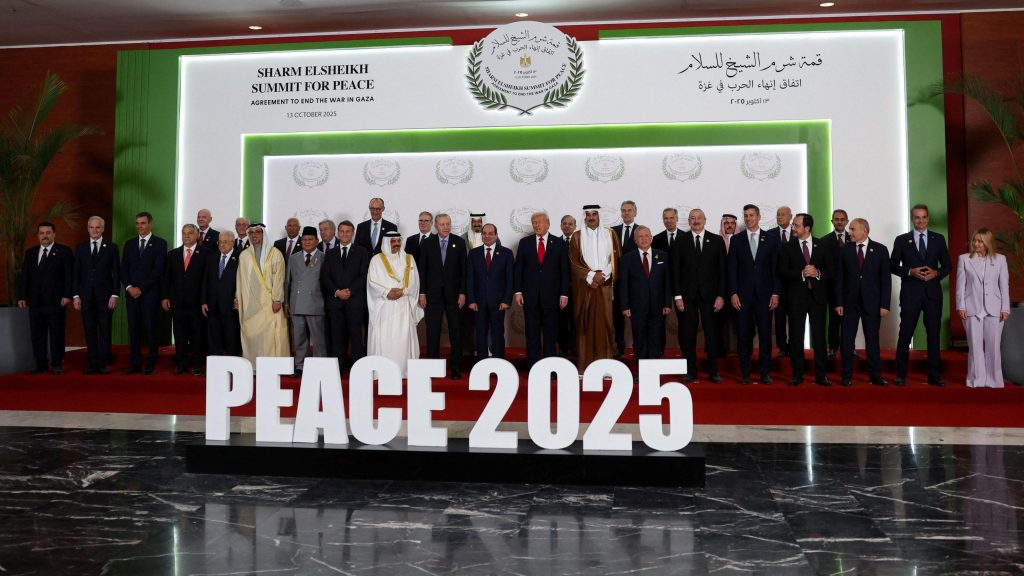
Washington is asking the UN Security Council to bless a sweeping new order for Gaza built around an international “Board of Peace” and a robust stabilization force, yet key questions on mandate, legality and Palestinian agency remain unresolved. The choice facing the Council is whether to underwrite a fragile but workable framework or risk Gaza sliding into an externally managed limbo without a clear path to self-determination.