
Latin America’s Conditional Embrace of Washington
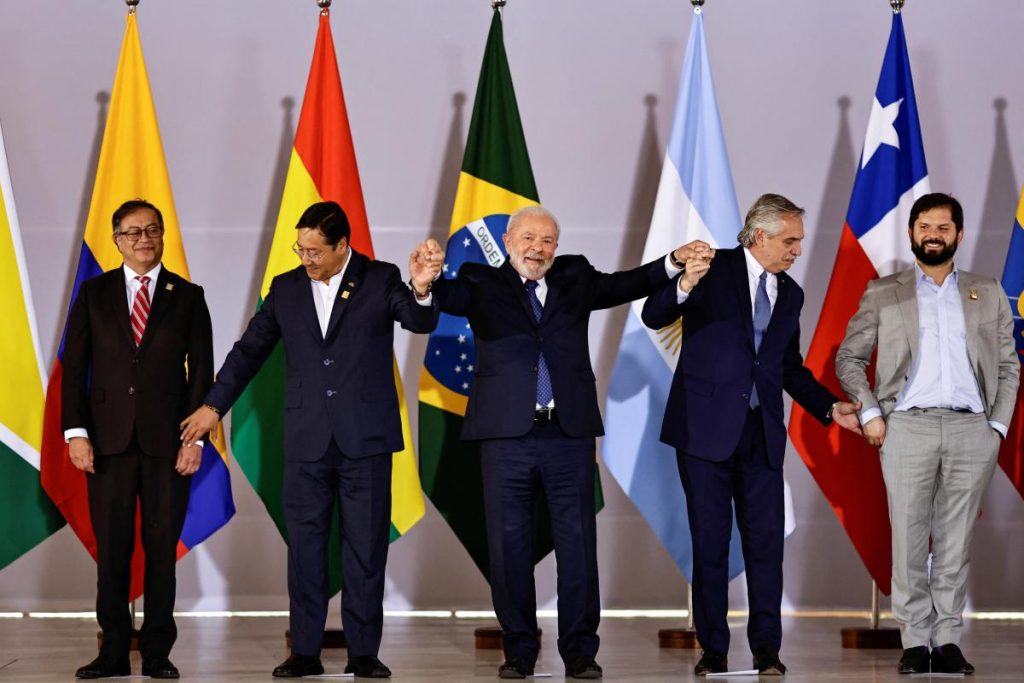
Latin America is leaning toward Washington for hard headed reasons: access to capital, technology and the U.S. market as Chinese finance cools and Europe looks inward. The shift creates a rare opening to build hemisphere wide supply chains and governance partnerships, but the embrace will stay conditional if U.S. policy remains fragmented and reactive.
Iraq’s Election as a New Operating System for US Iran Competition

Iraq’s November 11 election has not tilted the country decisively toward Washington or Tehran but has reset the rules of their competition inside a fragmented yet functional system. A new coalition game in Baghdad will determine how far US financial pressure and energy policy can narrow Iran’s economic lifelines, and how much protection Tehran can still secure for its militia and commercial networks without triggering another crisis.
Europe’s Corporate Reporting at the Heart of Its Power

Europe’s debate on corporate reporting is no longer just about compliance. The quality of internal controls and audit committees now shapes investor trust, the cost of capital, the enforcement of sanctions, and the credibility of green and defence investment. How the EU sets common baselines for governance and control will help decide whether its markets become trusted venues for strategic industries or continue to lag behind New York and London.
Europe and Russia to 2030: How a Long War Is Rebalancing Power
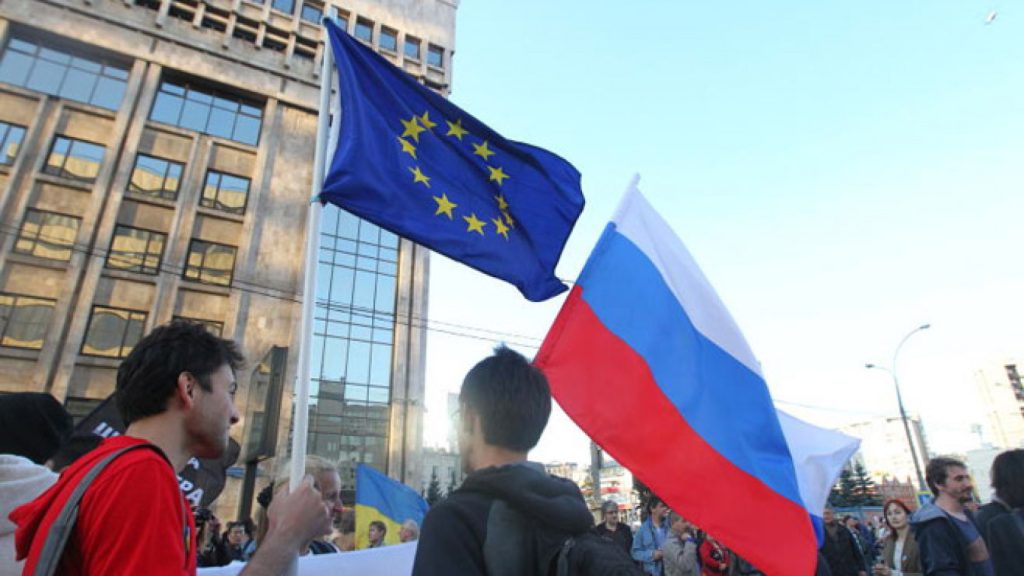
How the war in Ukraine is reshaping the Europe–Russia balance of power, from energy and sanctions to defence industry, demographics and global alliances, and why outcomes to 2030 hinge less on battlefield swings than on which side better converts its structural strengths into long-term leverage.
Europe’s Hard Power Moment: Can the EU Turn Rearmament Into Real Autonomy?

Europe is rearming at a speed it has not seen in decades, but its ability to fight without American backbone still rests on fragile enablers, thin stockpiles and an untested industrial base. The article traces how NATO’s new spending targets, EU defence instruments and US burden shifting are reshaping land, air, maritime and space power in Europe, and asks what a genuinely autonomous European first responder force could look like by the mid-2030s.
Quebec After Three Decades of Change: A Richer Province Facing Tougher Pressures
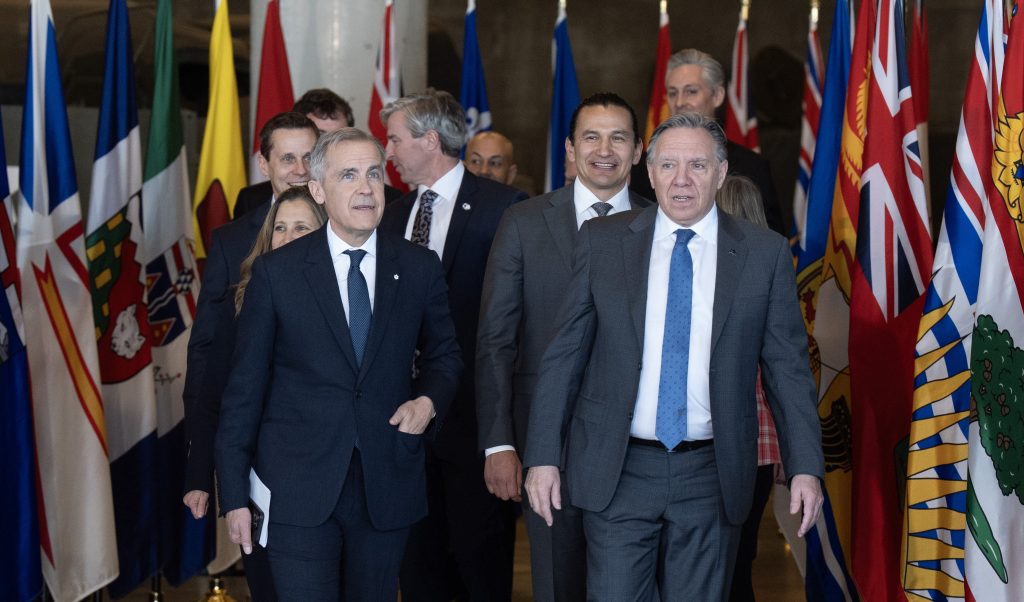
Quebec has grown wealthier, more equal, and more fully employed since the 1995 referendum, yet its shrinking demographic weight, rising health-care costs, and persistent fiscal pressures now define the limits of that progress.
Why Europe’s Human Capital Strategy Decides its Geopolitics
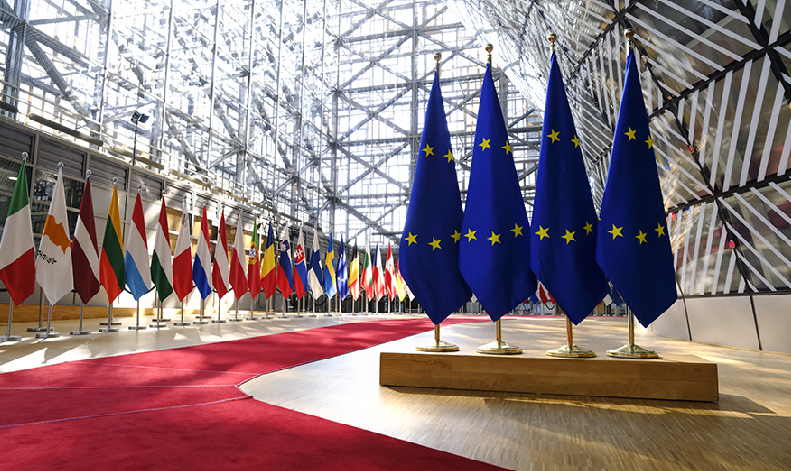
Europe’s clean-tech plans hinge less on subsidies than on whether it can train and attract the people needed to build and operate its new industries. If the Union fails to treat skills as critical to its economic and strategic strength, the clean industrial deal may end up as an ambition carried out by others rather than a project shaped by Europe itself.
Recasting EU–NATO Cooperation in a Fragmented Security Order
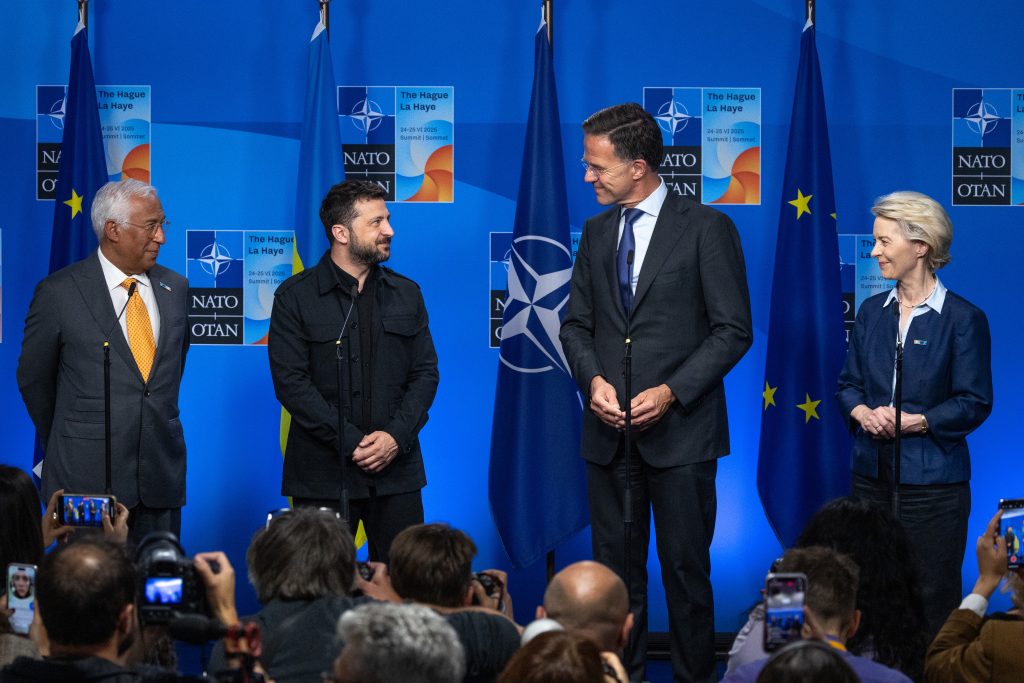
EU–NATO cooperation increasingly determines how Europe handles war in Ukraine, Arctic competition, southern instability and climate strain, yet remains fragmented, with concrete options emerging to better align defence, industrial, climate and regional priorities.
From Cloud Outage to Command Vulnerability: How Grid Hardware, Critical Minerals, and Chinese Industrial Policy Rewire U.S. Compute Power

The October 2025 AWS us-east-1 outage is used to show how U.S. and allied command, finance, and logistics now depend on a cloud and AI stack built atop fragile hardware and critical-mineral bottlenecks. As Beijing integrates compute, grid corridors, and mineral leverage into a national strategy, Washington still treats energy policy, industrial capacity, and cloud resilience as separate domains. The piece argues that data-center supply chains, transformers, and rare-metal flows must be brought into core security planning if U.S. and allied deterrence is to remain credible.
How China’s Reconstruction Diplomacy Could Rewire Ukraine

Ukraine’s postwar reconstruction is often framed as a story of solidarity and recovery, yet it is also a competition over who will rebuild and therefore reshape a frontline European state. China has spent two decades refining a reconstruction model that puts visible growth, big infrastructure and resource access ahead of institutional reform, using loans, turnkey projects and political ties to turn war scarred countries into nodes in its wider network of influence. Applying that approach in Ukraine will be harder than in Iraq or South Sudan, because Kyiv is anchored to an EU accession path, scarred by China’s alignment with Moscow and embedded in European energy and supply chains. The result will be a collision between Europe’s rule bound, institution centred vision of reconstruction and Beijing’s interest driven model. How European governments manage Chinese involvement, where they draw hard lines and where they tolerate conditional participation, will shape not only Ukraine’s future order but the template for handling Chinese reconstruction diplomacy in other crises.