
China–Russia Military Cooperation on Taiwan: How a Battalion Contract Becomes a Two-Theater Problem
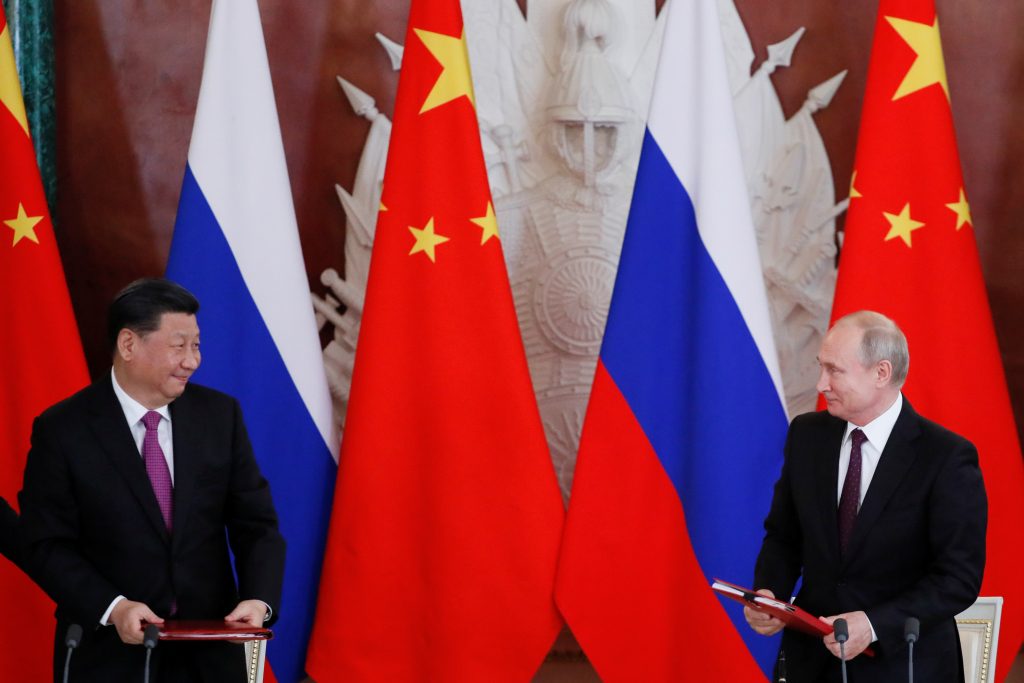
China’s quiet decision to let Russia train a PLA airborne battalion for operations against Taiwan is more than a technical upgrade. It signals a shift from generic China–Russia signaling to scenario-specific preparation that links a Taiwan war to a simultaneous crisis in Europe. The result is a two-theater problem for the United States, NATO, Japan, and Taiwan, which must now plan for Russian pressure on NATO’s flanks if Washington is heavily engaged in the western Pacific.
China’s New Playbook for Latin America
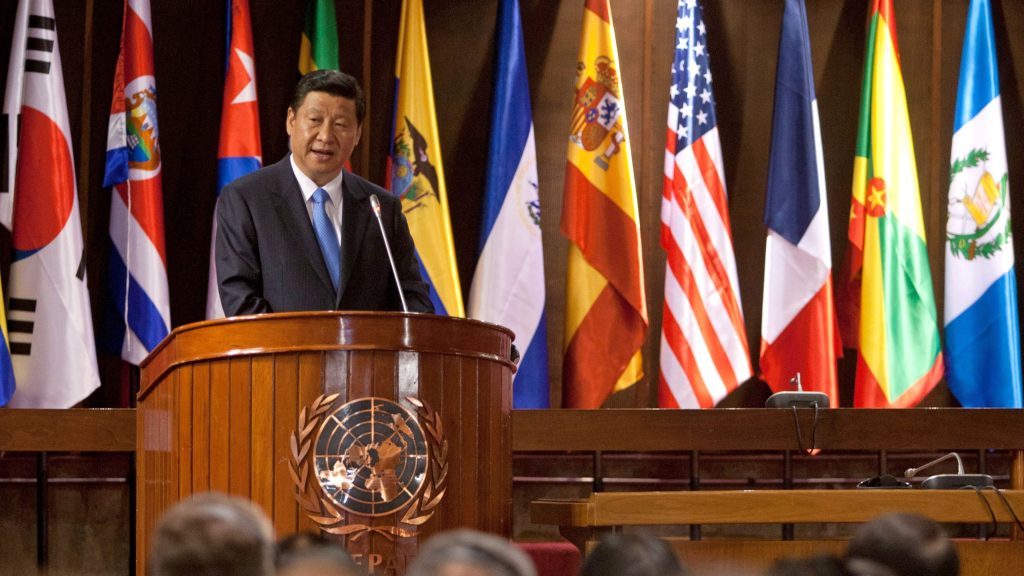
China’s role in Latin America is shifting from headline-grabbing loans and mega-projects to a quieter strategy built around control of critical nodes, the export of technology and standards, and expanding security links. Trade and port, EV, digital, and surveillance investments remain substantial, but capital is more selective and politically calibrated. The result is a denser, less visible form of dependence that Latin American governments are trying to renegotiate, even as Washington and Europe struggle to respond to Beijing’s new playbook.
Argentina’s Disinflation and the Politics of Its American Backstop

Argentina has engineered one of the sharpest disinflations in recent emerging-market history, cutting annual inflation from near 300 percent in 2023 to just above 30 percent in two years. This shift rests on an extreme front-loaded fiscal and monetary adjustment at home and a politically calibrated financial backstop from Washington that has stabilised the peso and IMF programme. The result is a fragile equilibrium: macro indicators have improved, but at high social cost and with continued dependence on US support and IMF discipline, raising questions about how durable and replicable Argentina’s new stabilisation model really is.
Air Superiority under Contestation: Contemporary Campaigns and the Changing Conditions of Control in the Air Domain
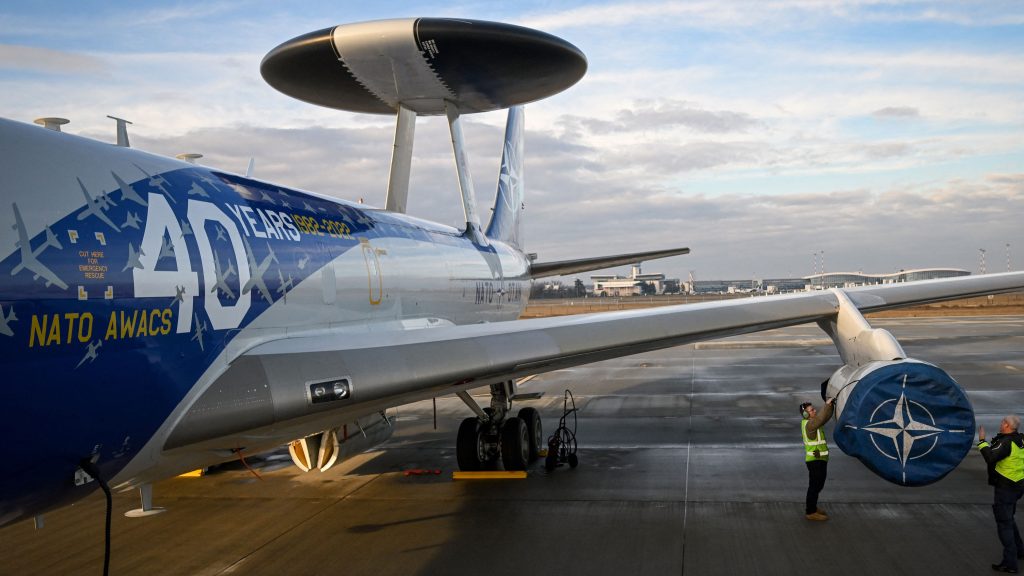
The article compares Russia’s failure to secure lasting air control over Ukraine with Israel’s successful long-range campaign against Iran to show how air superiority has become contingent rather than assured. It argues that mobile ground based air defenses, uncrewed systems, and the integration of intelligence, cyber and covert operations have made air dominance harder to achieve but easier to deny, placing doctrine, organization and industrial stamina at the center of future air strategy.
El Fasher, the RSF, and Sudan’s Moment of Choice
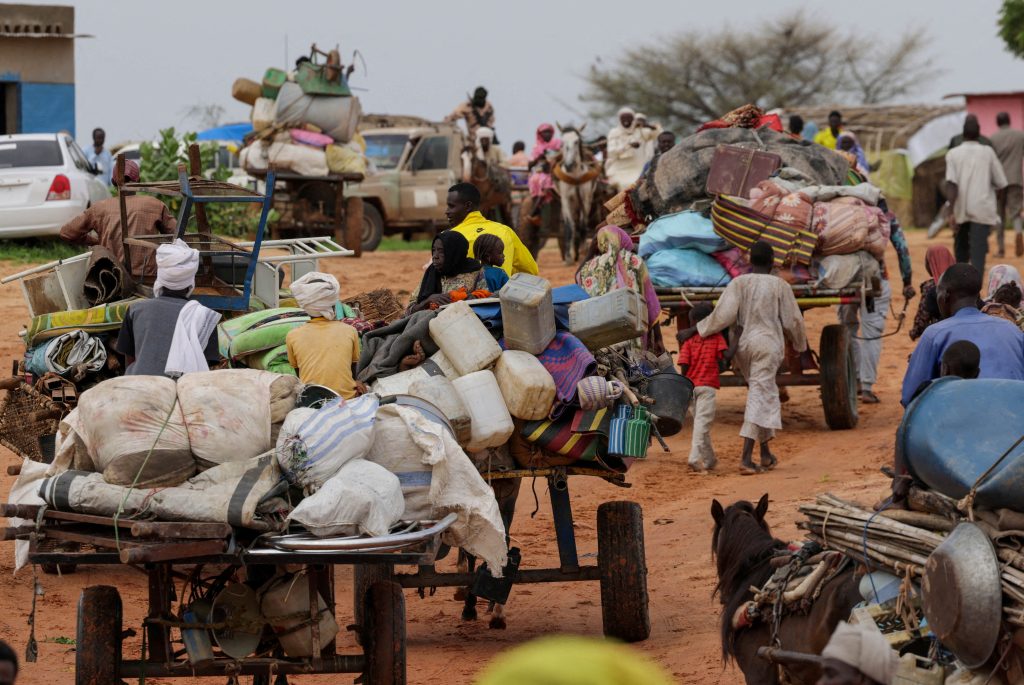
A brutal RSF takeover of El Fasher has turned Sudan’s war into a revenue-driven, externally sponsored campaign of territorial consolidation that threatens to fragment the state into armed fiefdoms. This article argues that only a sequenced strategy of financial interdiction, arms control, credible guarantees and monitored humanitarian access can still push the conflict back toward a political settlement.
Perpetuity Protocols: Africa’s Long-Running Presidencies and the Political Thermodynamics of Longevity
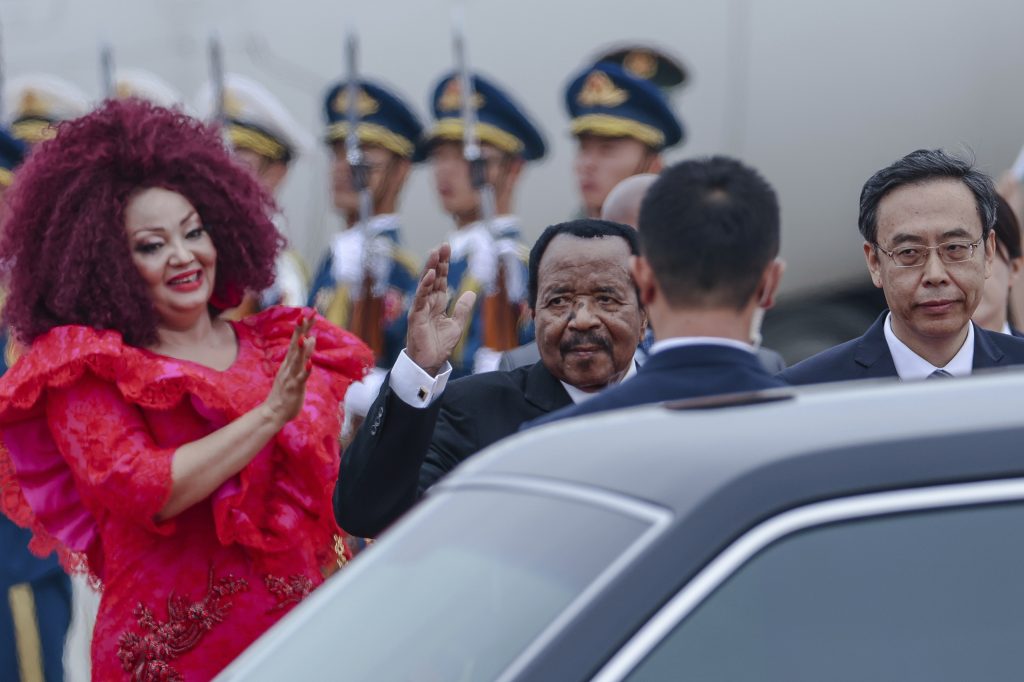
Perpetual presidencies in Africa are less an anomaly than the product of deliberate political engineering. Postcolonial hyper-presidentialism has evolved into a modern toolkit in which resource rents, fragmented and loyalist security forces, and a diversified set of foreign patrons insulate incumbents from domestic accountability. Elections, courts, and constitutions remain, but are repurposed to legitimize tenure extension rather than constrain it. The result is a brittle order that suppresses uncertainty in the short term while increasing the likelihood of abrupt, often violent, transitions when the underlying pressures finally break through.
Displacement and the Limits of the Human: Biopolitics, Deterritorialization, and Necropolitical Sovereignty in Africa
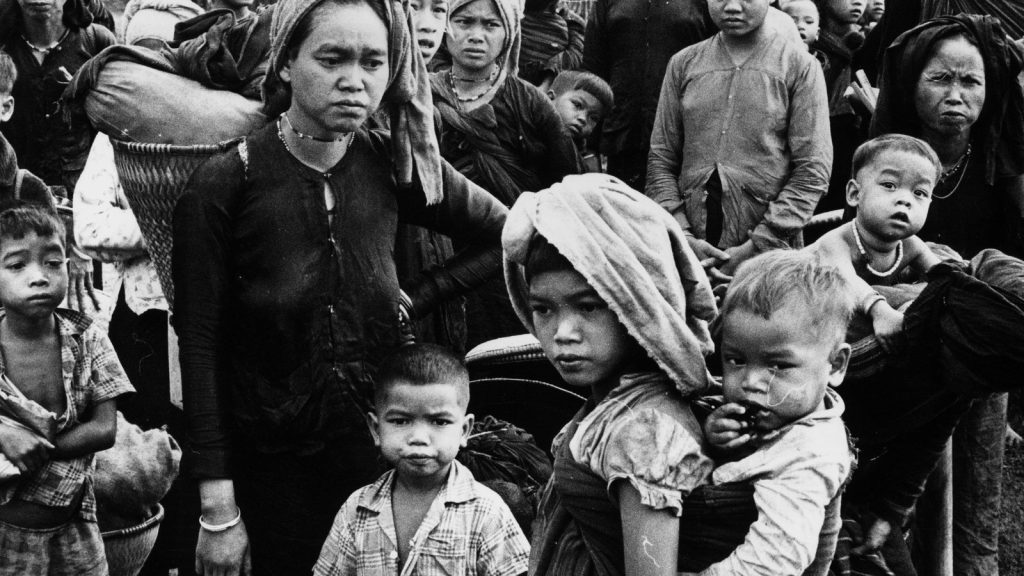
Displacement in Africa is not a temporary humanitarian emergency but a structural feature of a global order in which borders, sovereignty, and basic security are being renegotiated. Camps, informal settlements, and shifting routes of flight are the visible surface of deeper processes in which states manage vulnerable populations biopolitically, often keeping people alive while suspending meaningful political belonging. As deterritorialized lives stretch over years and across multiple frontiers, exile becomes a durable condition shaped as much by informal governance, security markets, and externalised border regimes as by any single state. The figure of the displaced person thus moves from the margins to the centre of contemporary politics, revealing both the limits of existing legal and humanitarian frameworks and the uncertain forms of political community emerging in their place.
Sudan’s Autocidal War and the Uses of Indifference
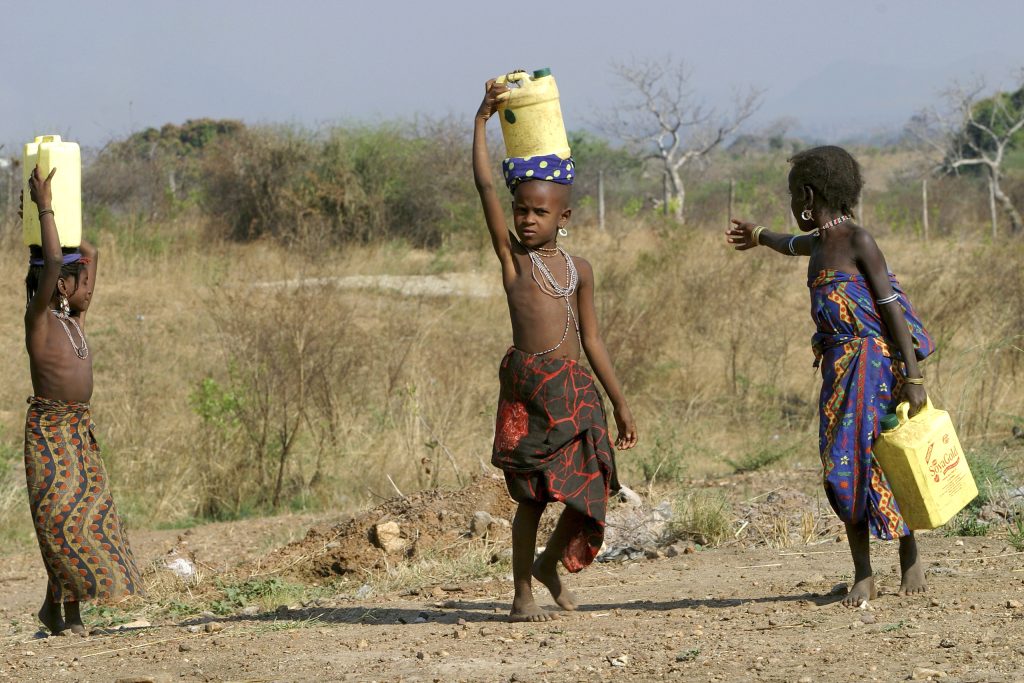
Sudan has become the place where the international system is testing how much atrocity it is prepared to tolerate in full view of the world. The war that grew out of a failed transition and an autocidal struggle between security elites has produced siege warfare, deliberate starvation, and the disintegration of state structures, all meticulously documented yet politically marginal in most major capitals. External patrons treat Sudan less as a political community than as an asset base of ports, gold, and proxy forces, accepting chronic instability so long as it serves their regional leverage. How the United States and its partners choose to act now will determine whether Sudan becomes a template for openly managed famine and mass violence, or a line beyond which the rhetoric of a rules based order is finally backed by real costs for those who destroy civilian life.
Strategic Silence: The United States, AGOA, and the Unmaking of an African Economic Order
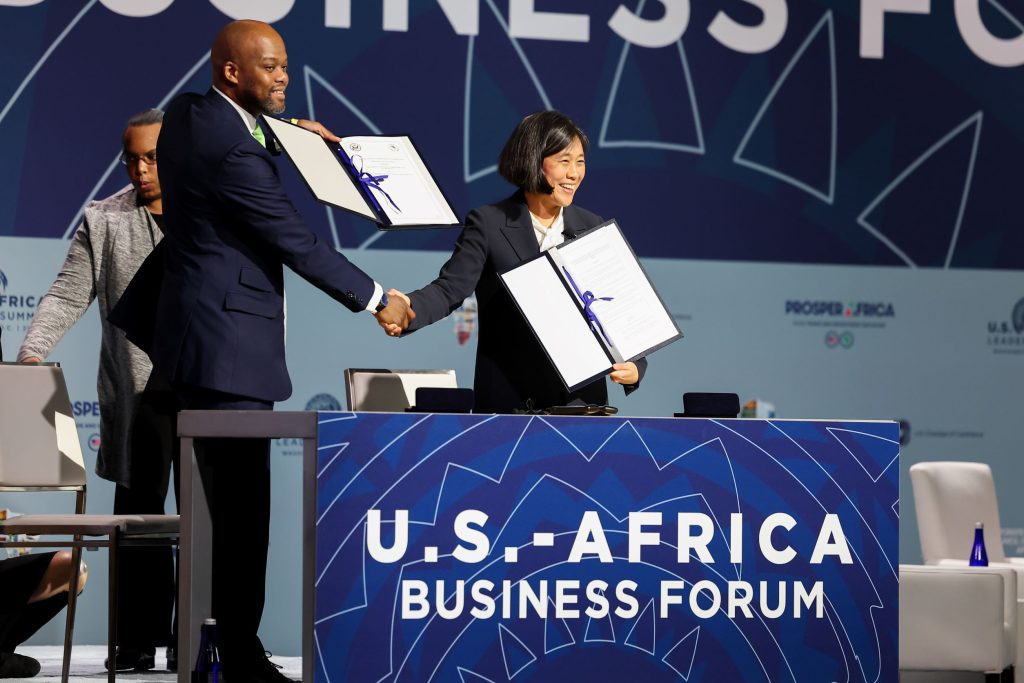
AGOA’s silent expiration in September 2025 marks a moment of strategic abdication by the United States, revealing the erosion of a coherent vision for Africa’s place in its global strategy. The text traces AGOA’s origins in late-1990s liberal triumphalism, its uneven and highly concentrated benefits, and the way U.S. domestic politics hollowed out its economic value before letting it die. It argues that the collapse of this preference regime exposes a deeper disconnect between American rhetoric about competing in Africa and the actual instruments of statecraft deployed on a continent that has become central to twenty-first-century geoeconomics.