
Long Rates in a Fragmented Global Economy
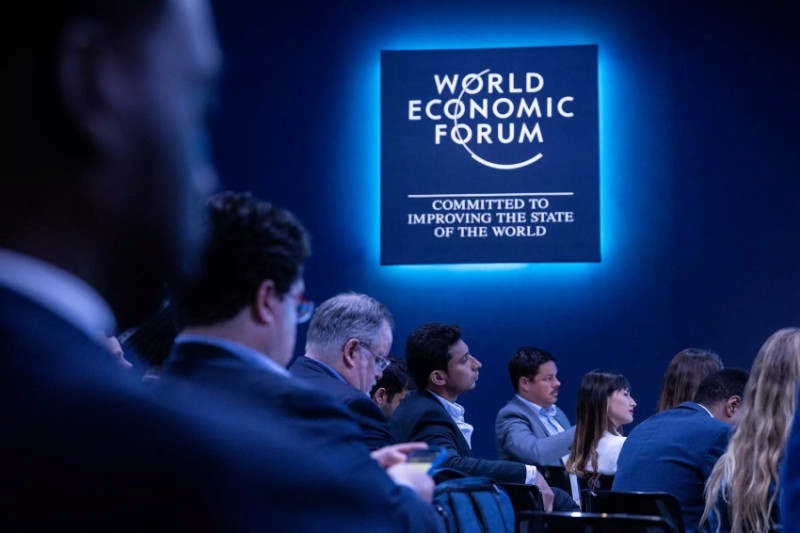
Global long-term interest rates are rising as inflation proves sticky, foreign yields climb, and the United States economy shows more resilience than expected. This analysis explains why long rates no longer follow central bank signals, how shifts in Japan and Europe are reshaping Treasury pricing, and why structural forces in labour markets, energy, and fiscal policy now dominate the outlook for 2026.
A Global Energy Order in Transition: Why Renewables Accelerate Even as the United States Reverses Course
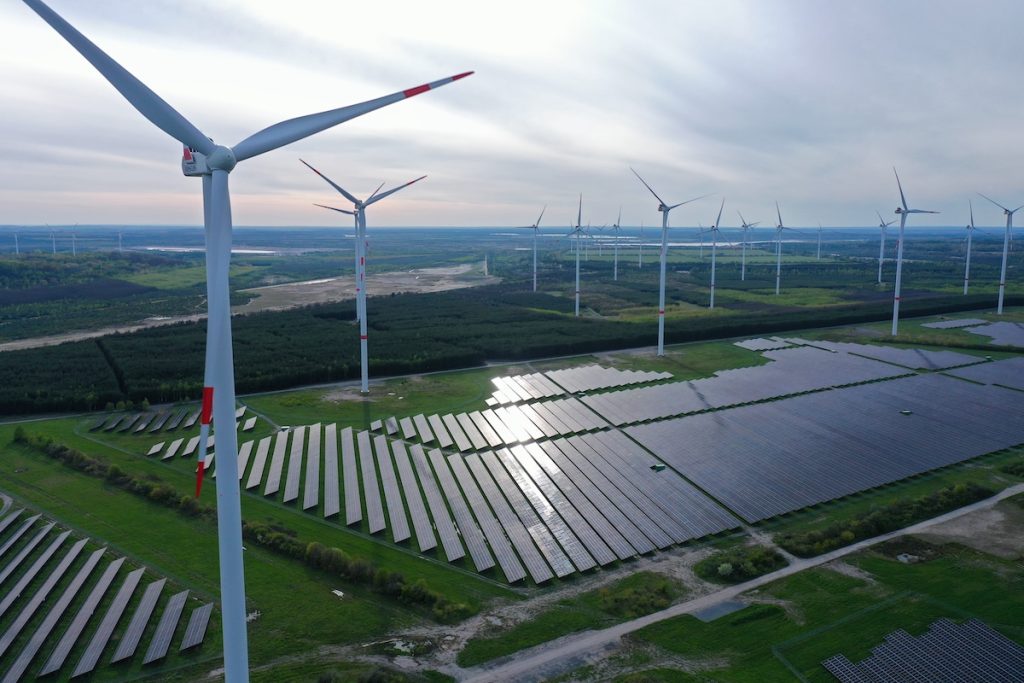
Global investment in renewables is breaking records, reshaping industrial power and future energy security, even as the United States pulls back from clean-energy support. This analysis examines how falling technology costs, Asian manufacturing dominance, rising electricity demand, and geopolitical realignments are driving the fastest transformation of the global power system in decades, and why the consequences of America’s divergence will be long-lasting.
An Unraveling Consensus: Ukraine’s Governance Crisis, US Retrenchment, and the Strategic Costs of Corruption in Wartime

Ukraine’s corruption crisis, shifting US policy, and high-stakes peace negotiations are converging at a moment when the country must defend both its territory and the integrity of its institutions. This analysis examines how wartime governance failures, geopolitical recalibration, and Russia’s long strategy are reshaping the prospects for a durable settlement and Ukraine’s place in Europe’s security order.
Ukraine’s Peace Crossroads and the Risks of a Strategic Miscalculation
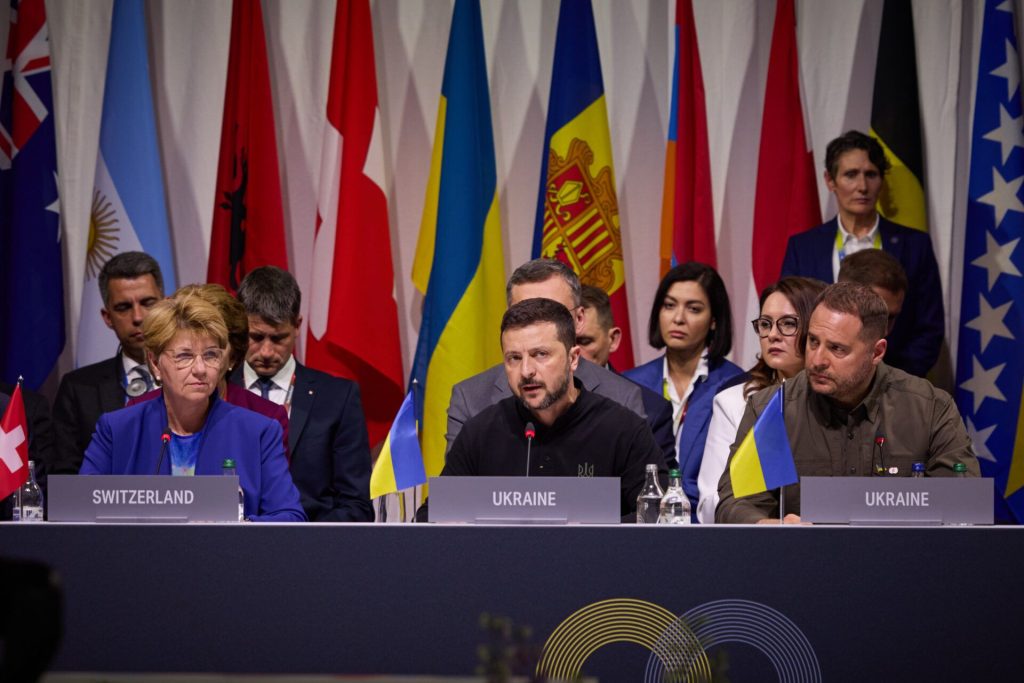
A U.S.-backed peace plan for Ukraine is moving quickly, even as the front stabilizes into a brutal war of attrition. This analysis unpacks the real balance on the battlefield, the pressures on Kyiv’s leadership, Washington and Brussels’ shifting priorities, and the economic and political constraints facing Moscow. It argues that a rushed settlement that rewards Russian gains without firm security guarantees and long-term European defense commitments would not end the conflict, but virtually guarantee the next one.
Power, Chips, and Strategy: A Policy Analysis of the Global AI Contest

Artificial intelligence now depends as much on electricity grids, semiconductor capacity, industrial policy, and geopolitical strategy as on algorithms. This analysis explains how power constraints, chip competition, infrastructure bottlenecks, open ecosystems, robotics, and global standards battles are reshaping the AI race. It assesses the economic, labor, and security implications of a technology that is moving from software novelty to national capability.
Global Economic and Market Conditions Entering 2026

The global economy enters 2026 steady on the surface but strained beneath. Growth is positive yet uneven across regions, inflation is easing but not resolved, labor shortages persist in advanced economies, and financial markets rely on assumptions that may not hold. This report examines the shifting balance of global demand, currency dynamics, sovereign risks, market behavior, and structural vulnerabilities that will shape policy decisions and investment conditions in the year ahead.
How Immigration Shapes America’s Workforce and Growth in an Era of Crackdowns

Immigration has long fueled U.S. economic expansion, from filling labor shortages to driving invention and entrepreneurship. As the Trump administration tightens enforcement and restricts legal pathways, key industries report worker shortfalls and economists warn of slower long-term growth. A look at how today’s policies are reshaping the labor force, tax base, and the broader trajectory of the U.S. economy.
When the AI Boom Stumbles: How a Market Slide Could Reshape American Power and Asia’s Balance

Growing fears of an AI downturn are colliding with intensifying U.S.–China rivalry. A sharp correction could fuel pressure to loosen chip controls, tempt Washington into risky deals with Beijing, and expose Taiwan to new dangers. Preparing now, from safeguarding semiconductor policy to reinforcing support for Taipei, may determine who leads in the next era of global technology and power.
America’s Place Reordered: How Europe Slipped to the Margins of US Grand Strategy
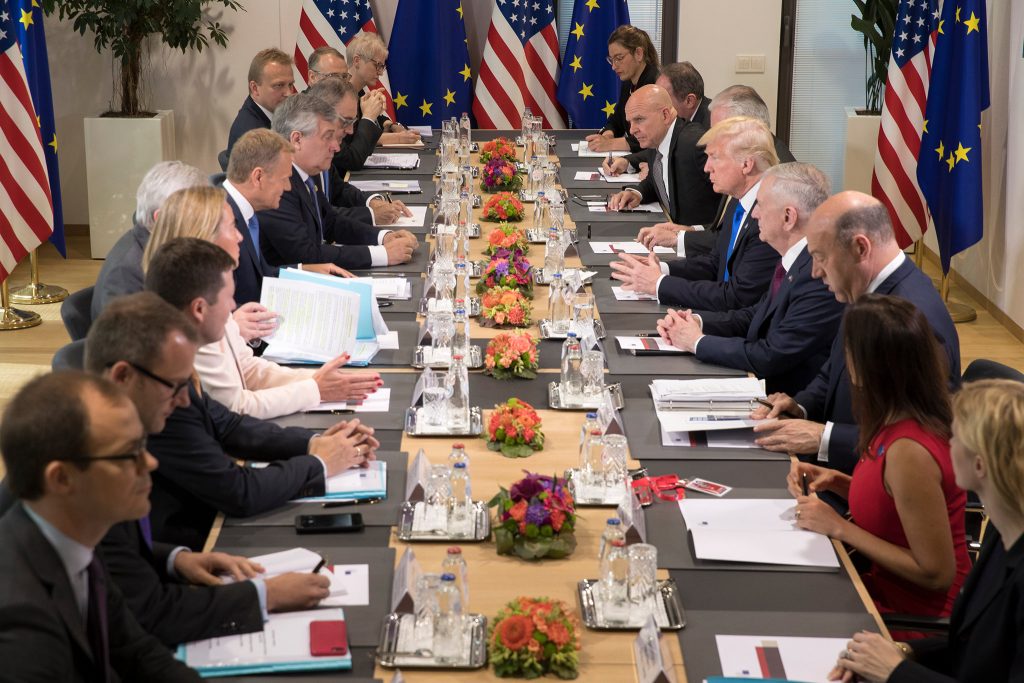
The strategic map of American power is shifting, placing the Western Hemisphere, the Indo Pacific, and the Middle East above Europe for the first time in the postwar era. This analysis traces how domestic pressures, geopolitical rivalry, and changing ideological currents have reshaped US priorities and left Europe facing the prospect of defending its own security in a rapidly transforming world.
A New Strategic Schema: Interpreting the 2025 National Security Strategy as a Turning Point in American Statecraft

A new vision of American power is emerging, which is rooted in sovereignty, economic strength, and a reordered global agenda. It redefines competition with China, challenges Europe to assume greater responsibility, elevates the Western Hemisphere, and links technological dominance to national resilience, reshaping the future of US engagement.