
The Spatial Roots of Global Economic Uncertainty
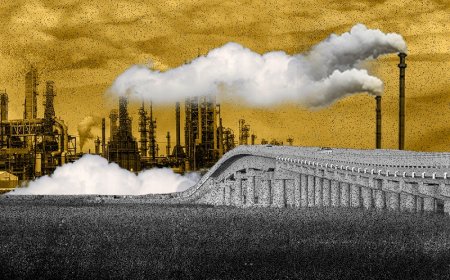
Global economic uncertainty is increasingly shaped by geography. The concentration of resources, the fragility of key trade corridors, the pressures of climate exposure, and widening regional disparities are now central forces in global risk. This analysis explains how these geographic dynamics are reshaping economic stability and altering the strategic landscape.
Climate Strain and the Reordering of Global Food Stability

Climate stress is reshaping global food systems and widening the gap between resilient states and vulnerable regions. Rising temperatures, volatile markets, and uneven governance are turning food security into a political and strategic challenge rather than a purely agricultural one. This analysis explores how environmental pressure, economic inequality, and shifting power dynamics are redefining the global food landscape.
Climate on Paper, War in Practice: Why National Security Strategies Still Downgrade an Existential Threat?

Most governments now mention climate change in their national security and defence strategies, yet only a handful treat it as more than a marginal issue. This analysis of nearly one hundred national documents shows how climate is squeezed into disaster management paragraphs while traditional threats still dominate. It argues that unless states rewrite their security agendas around the realities of a warming world, they will be planning for yesterday’s risks while tomorrow’s crises gather force.
When Networks Replace Knowledge: The Strategic and Legal Risks of Social Network Analysis in Counterterrorism

Social network analysis reshaped counterterrorism by turning digital proximity into evidence of threat, but its logic clashes with the foundations of international humanitarian law. This study examines how SNA distorts targeting decisions, inflates militant networks, and undermines restraint, while identifying the limited contexts in which it can still serve as a useful analytical tool.
Orbital Instability and the New Security Dilemma: Strategic Competition in a Crowded Space Environment

Rival powers are reshaping the space domain through rapid technological expansion, commercial entanglement and increasingly ambiguous military activity. As mistrust grows, even defensive measures provoke strategic uncertainty, raising the risk that orbital disruption could cascade into wider geopolitical confrontation.
The Strategic Unraveling of the Global Commons: Space–Maritime Entanglement in 2025

Growing turbulence in the maritime and space domains is reshaping strategic competition, as disruptive tactics, fragile infrastructure and shifting industrial power undermine long-standing assumptions about global stability. The emerging contest is defined less by open confrontation than by persistent ambiguity and pressure that steadily reshapes the balance of influence.
How the EU Rewires Supply Chains in a Fragmenting Trade System?

Global trade is no longer a neutral marketplace but a field organised around geopolitical blocs and security concerns. For an exceptionally open economy like the EU, this shift reshapes supply chains, industrial policy and foreign economic strategy. This analysis examines how European firms are adapting, how Brussels is using industrial, trade and economic security tools to de risk critical dependencies, and why deepening the single market and investing in innovation may matter as much as new tariffs or subsidies in navigating an era of trade fragmentation.
From Ore to Influence: Building Allied Rare Earth Processing Hubs to Break China’s Midstream Grip
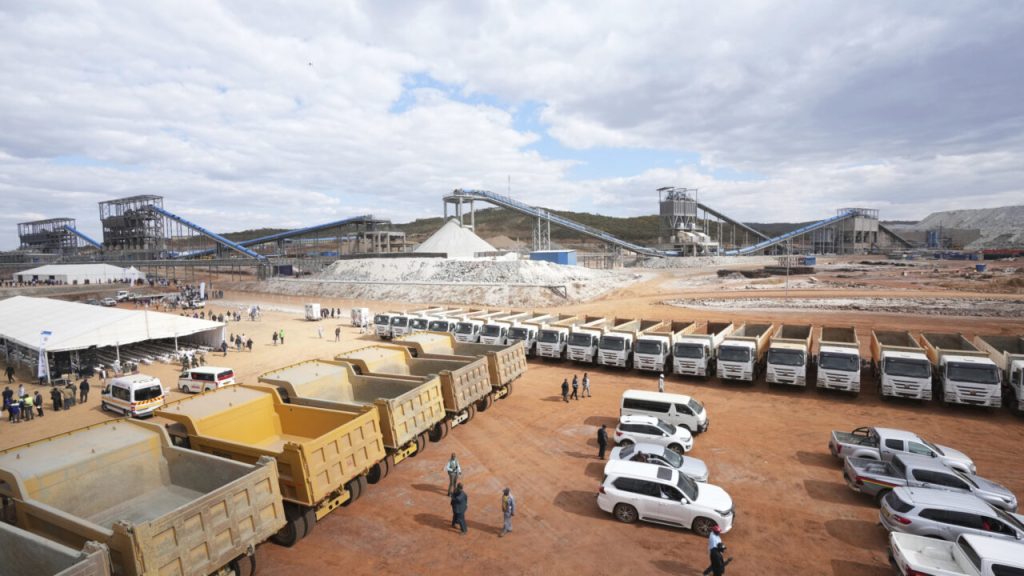
China controls nearly all heavy rare earth processing and most of the refining that turns raw ore into magnets for jets, submarines, and electric vehicles. New mines alone will not loosen that grip if the ore still flows back to Chinese separation plants. This long-form analysis argues that the United States and its partners must organise their efforts around a small number of large, internationally networked processing hubs, rather than a scatter of isolated projects. It examines where those hubs should be, what makes them commercially viable, and how to combine domestic capacity with allied strengths in Australia, Saudi Arabia, Canada, Brazil, and beyond to build a genuine mine to magnet ecosystem outside Beijing’s shadow.
Who Owns the Cloud? Governing Compute Infrastructure in a Sovereignty-Obsessed World

Cloud platforms have quietly become a strategic resource on par with energy and finance. Yet governments are trying to tame this shared infrastructure with old tools: borders, ownership caps, and data localization rules. This long-form analysis explains why geography is a poor proxy for security, how AI workloads tighten the link between cloud policy and national power, and what a more realistic framework for trust in compute infrastructure would look like. Instead of carving the internet into splintered jurisdictions, states need to demand verifiable technical assurances and shared security baselines that match how cloud systems actually function.
Global South Leadership and the Emerging Developmental Regime for AI Governance
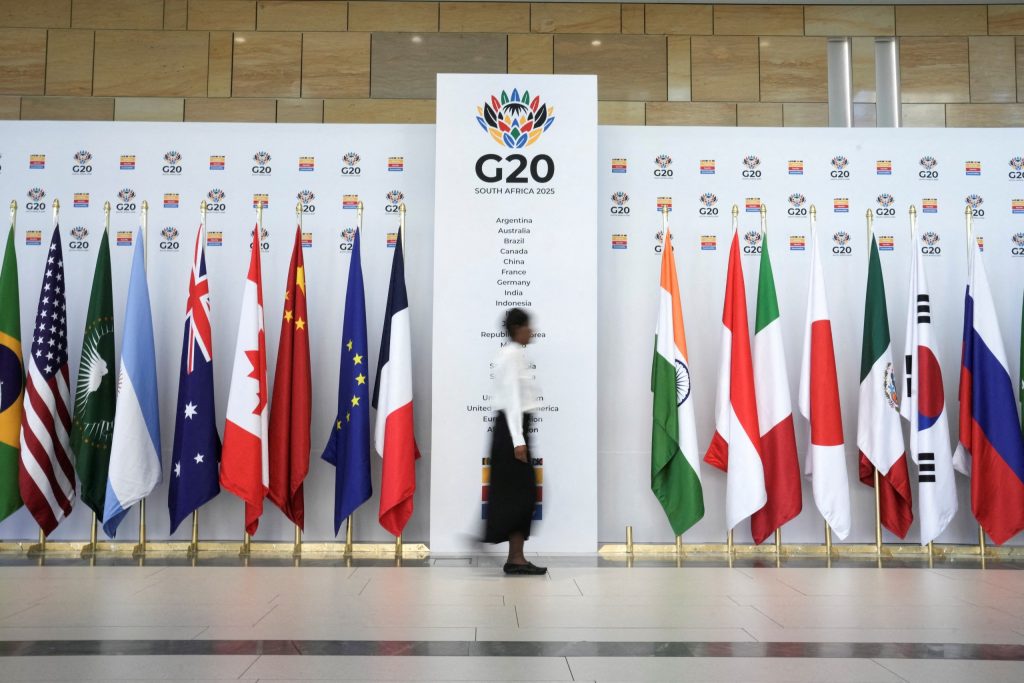
Johannesburg’s G20 summit marked a turn toward treating artificial intelligence as part of a broader development and infrastructure project led by emerging economies. The piece traces how Global South coalitions are weaving AI into agendas on equity, digital public infrastructure, and information integrity, and explores the strategic risks for a technologically dominant but normatively absent United States.